
A better view of intraocular pressure.
IOVue is developing a radio-frequency tonometer that measures intraocular pressure continuously, in the clinic or at home, without an air puff, drops, or touching the eye.
76 million people live with glaucoma.
Their eye pressure is only ever measured while they're awake.
Intraocular pressure (IOP) is the only glaucoma risk factor doctors can treat.
IOP changes through the day. Today's standard of care captures it in a single office visit, often less than once a year, almost always during business hours. The peaks that signal disease progression happen in between, and go unseen.
The result is treatment decisions made on incomplete data: over-treatment with unnecessary side effects, under-treatment with irreversible vision loss, and avoidable surgical intervention.

76 million people
worldwide live with glaucoma, 3 million in the U.S.
Untreated glaucoma
can cause permanent, irreversible blindness
People with diabetes
face a 48% higher risk
of glaucoma¹
¹Zhao D, Cho J, Kim MH, Friedman DS, Guallar E. Diabetes, fasting glucose, and the risk of glaucoma: a meta-analysis. Ophthalmology. 2015 Jan;122(1):72–78.
How it works
Reading eye pressure with radio waves.
Since the first tonometers in the 1860s, measuring eye pressure has meant pressing on the eye, with an instrument or a puff of air.
IOVue is designed to measure intraocular pressure with a radio-frequency sweep instead of mechanical force. A slim antenna over each eye reads how the eye responds across a range of frequencies, and onboard signal processing converts that response into an IOP reading in mmHg. Readings go over Bluetooth to a phone or computer, then to the IOVue cloud and the patient's eye care practice.
Nothing touches the eye.
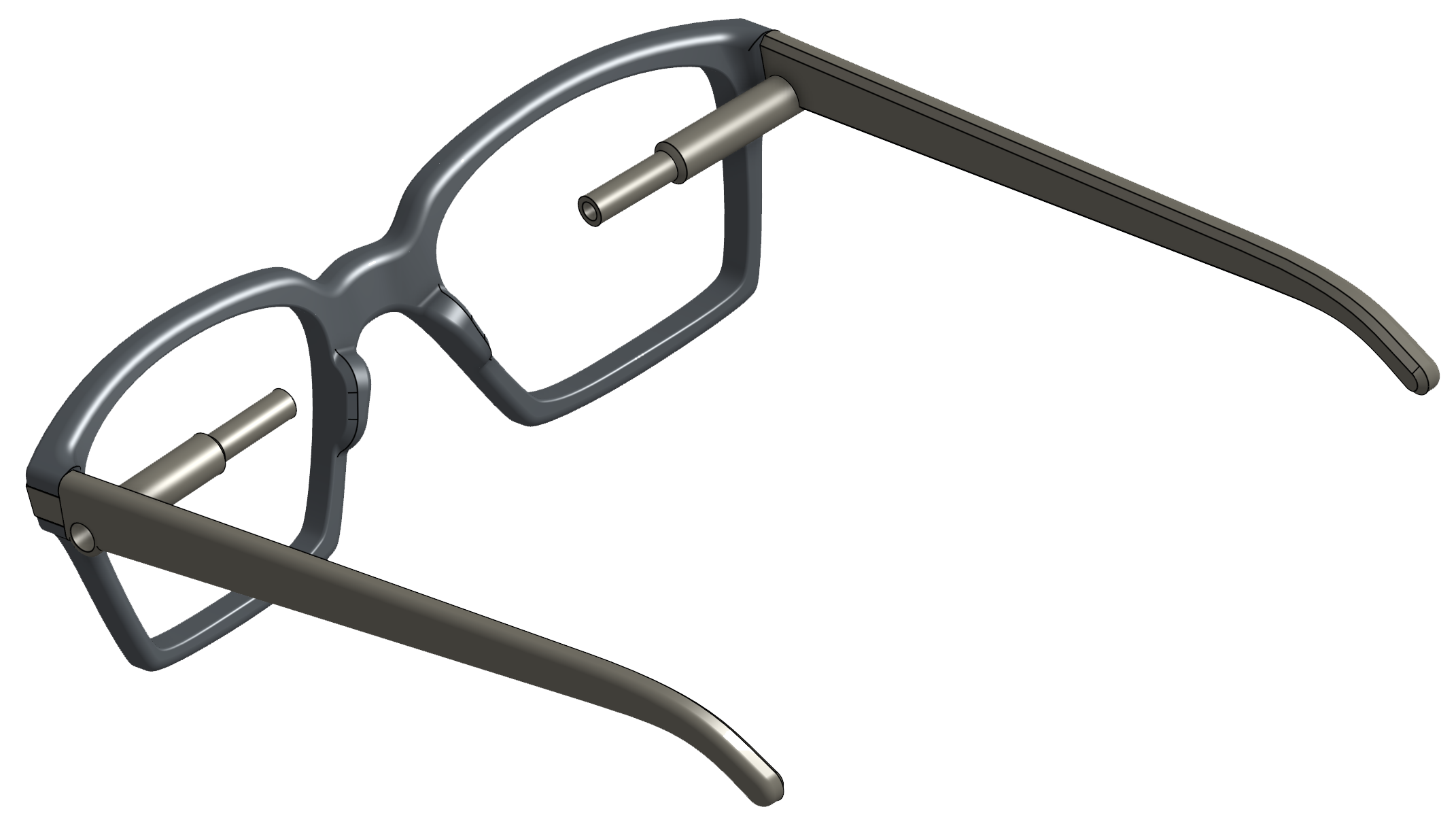
The sensor is slim enough to fit in a sleep mask for overnight use at home, or on an eyeglass frame for use in the clinic. That means pressure can be read during sleep, when it's often highest and rarely measured.
Because the underlying sensing approach reads tissue response rather than pressure specifically, the platform is designed to extend beyond glaucoma to other disease states.
Where IOVue is Today
Prototypes in hand
Gen 2 units are being built for additional IRB testing. Current builds run firmware and data-capture software written to support a future FDA submission.
Clinical work continuing
A second IRB study, using Gen 2 units, is in planning. We've started building our quality management system.
Tested against current clinical practice
Early feasibility testing in 18 subjects has shown agreement with standard non-contact ("air puff") tonometry in normal and thick-cornea subjects.
Filed IP
Assigned exclusive rights to the underlying sensing technology. Patent application filed and published, with international coverage pending.
Human data to date
18-patients in an IRB study completed in March 2026.
How IOVue Compares
| Feature | IOVue | GAT** | NCT’s† | iCare Home 2 | TriggerFish |
|---|---|---|---|---|---|
| Works while asleep | ✕ | ✕ | ✕ | ||
| No Contact | ✕ | ✕ | ✕ | ||
| Continuous | ✕ | ✕ | ✕ | ||
| >24hr use | ✕ | ✕ | ✕ | ✕ | |
| Reads in mmHg | ✕ | ||||
| Gold Standard | ✕ | ✕ | ✕ | ✕ | |
| Reimbursed | Anticipated* | ✕ |
* Investigational device. Not FDA cleared. Reimbursement anticipated under existing codes after clearance.
** Goldmann Applanation Tonometer
† NCT = Non-Contact Tonometer
A $250M U.S. tonometer market.
Every patient, every eye exam.
Nearly every comprehensive eye exam includes a pressure check, so almost every eye care practice already uses a tonometer.
$250M
U.S. tonometer market
(TAM), clinical and
home use
worldwide
$500M+
eye care providers
in the U.S.
60,000+
Leadership team
-
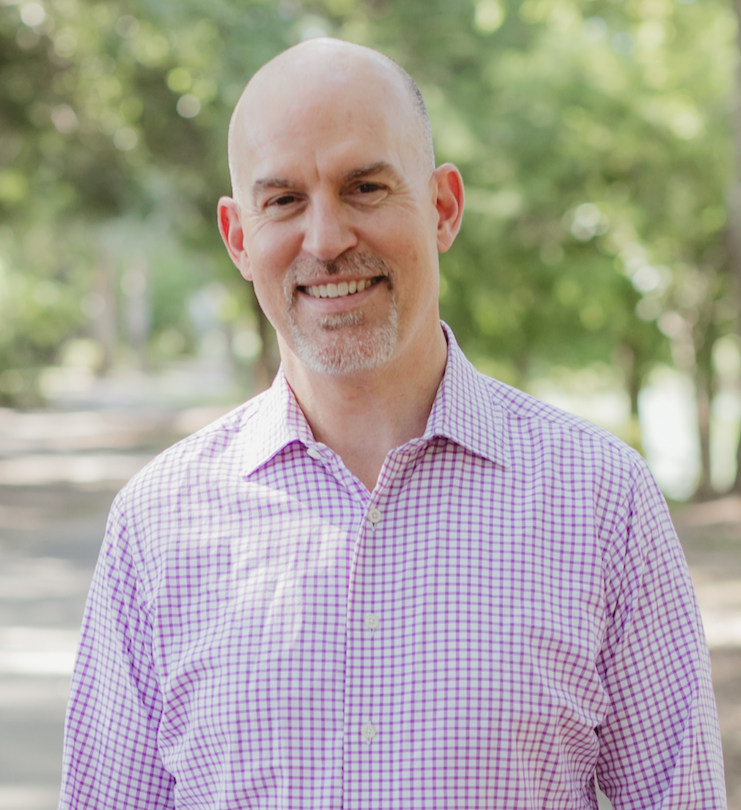
Mark Semler
CEO & Founder
Proven medtech CEO with 27 years leading innovation, commercialization, and capital raises across breakthrough medical devices. -

Ruba Sawaya
Chief Quality & Regulatory Officer
Seasoned medtech leader with 20 years in commercialization and market access, bringing strategic, regulatory, and clinical acumen to innovative devices. -

Chief Technology Officer
Electrical engineer and firmware architect with 25+ years designing embedded systems for medical, commercial, and industrial products.
For investor materials, clinical collaboration, or partnerships, get in touch.